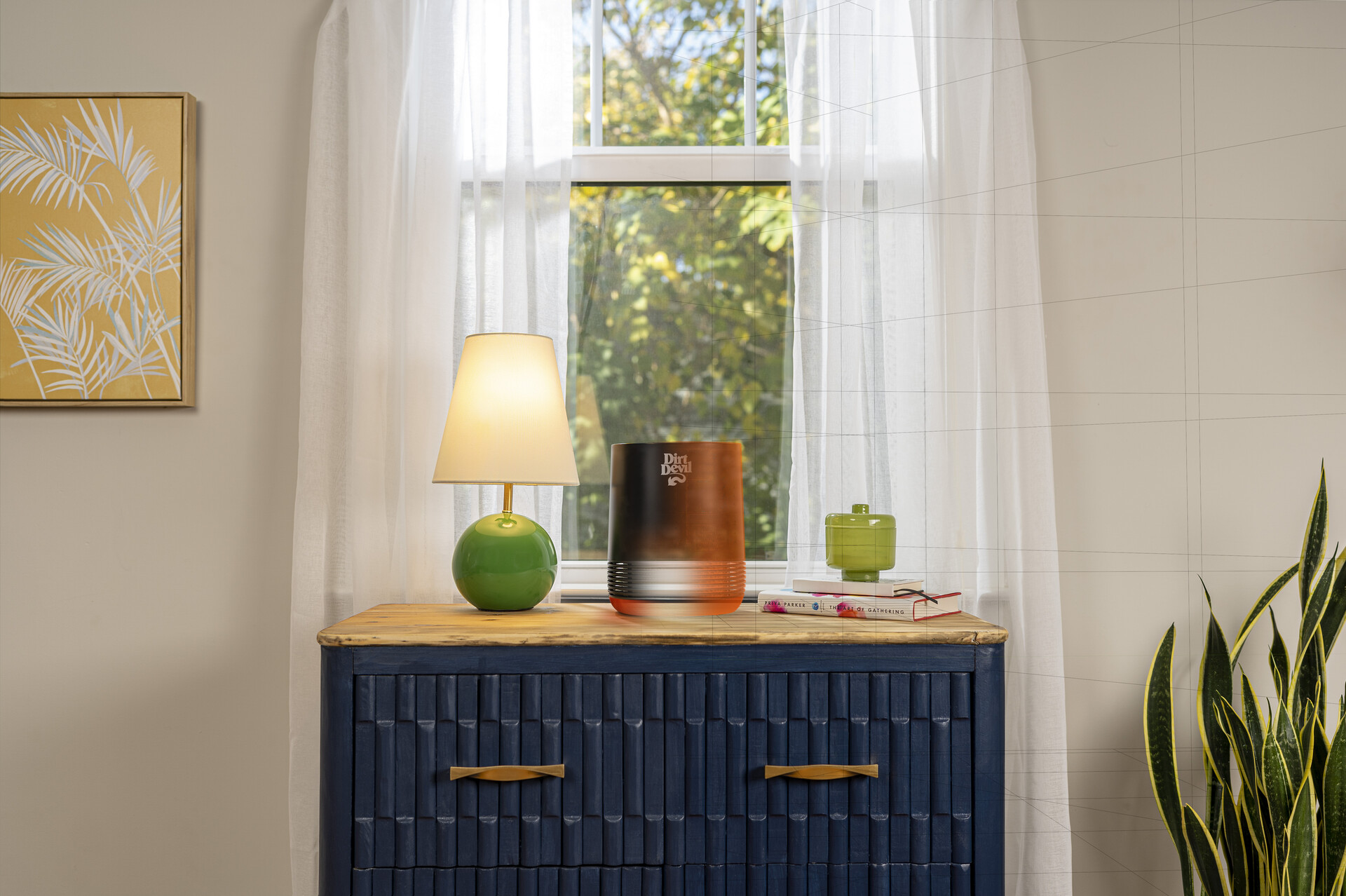
Lifestyle Rendering
CG product rendering composited into real-world photography, replacing on-set limitations with flexible, photorealistic lifestyle imagery for web, print, and packaging.
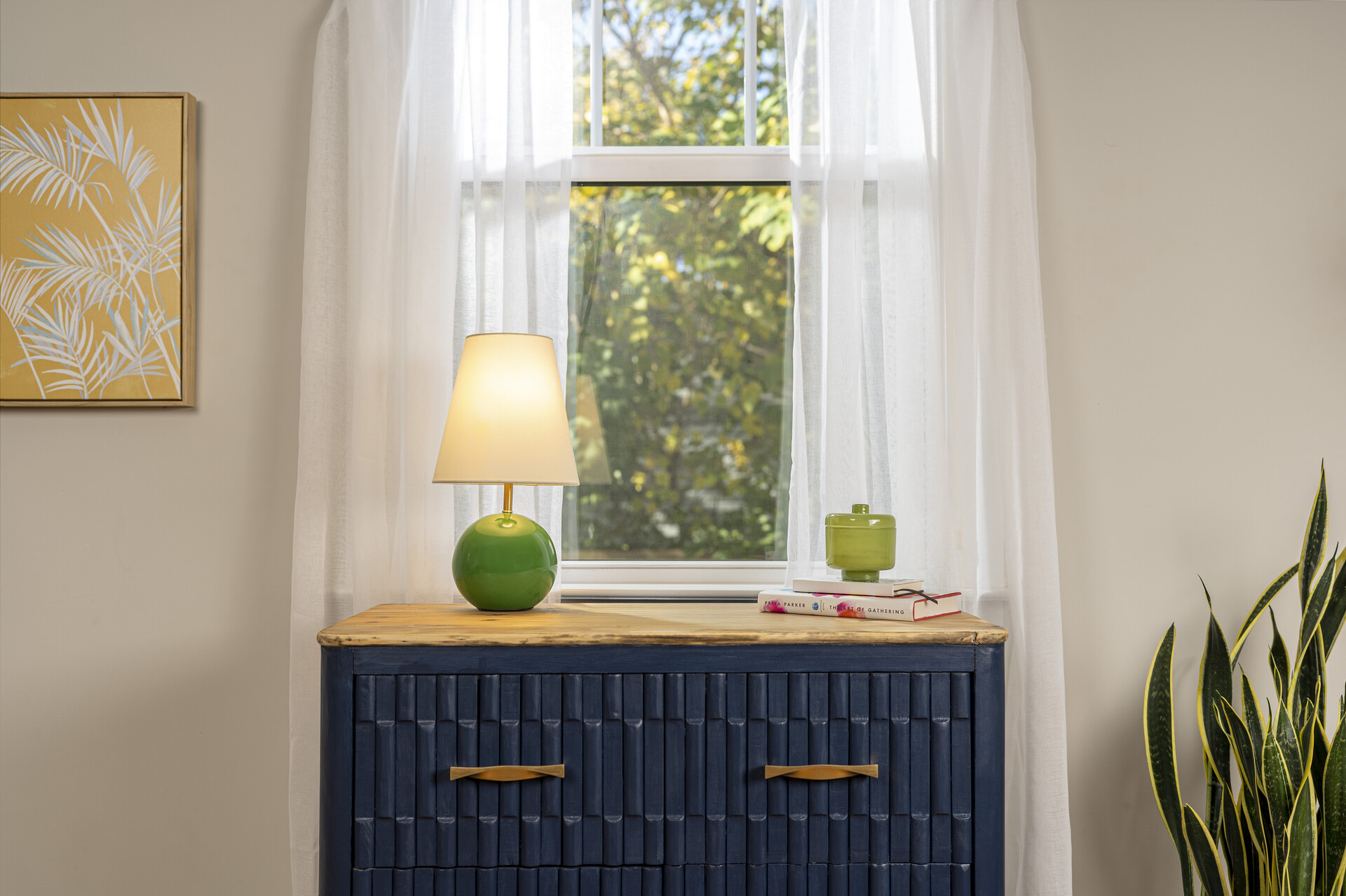
Clean Plate Preparation
Original photography is prepared with stand-in products removed. On-set survey data, HDRI captures, and color reference charts establish the foundation for accurate CG integration.
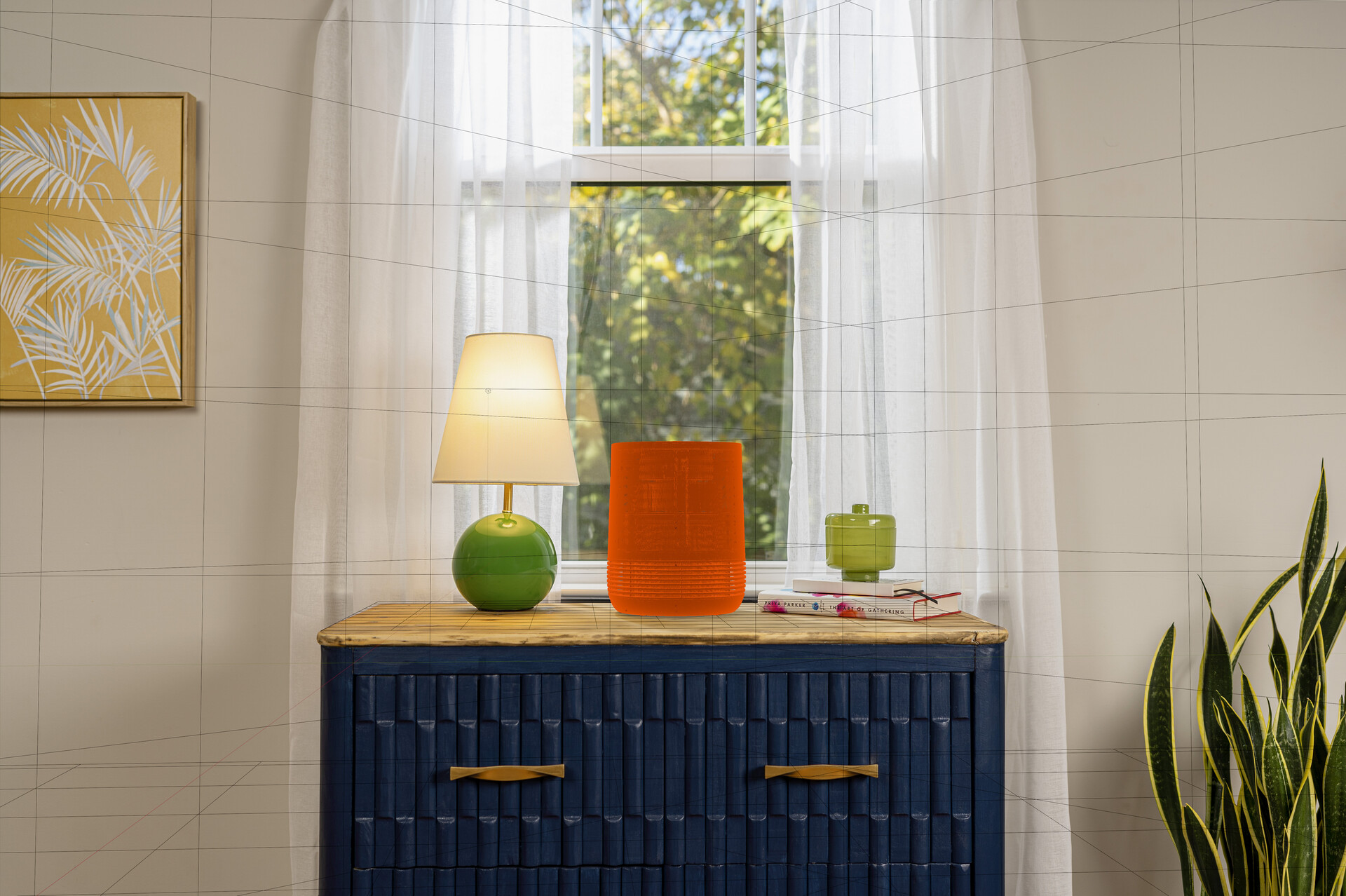
3D Lineup & Projection
The CG product model is aligned to the photo plate using focal length matching and visual approximation. Camera data from the original shoot ensures perspective accuracy.
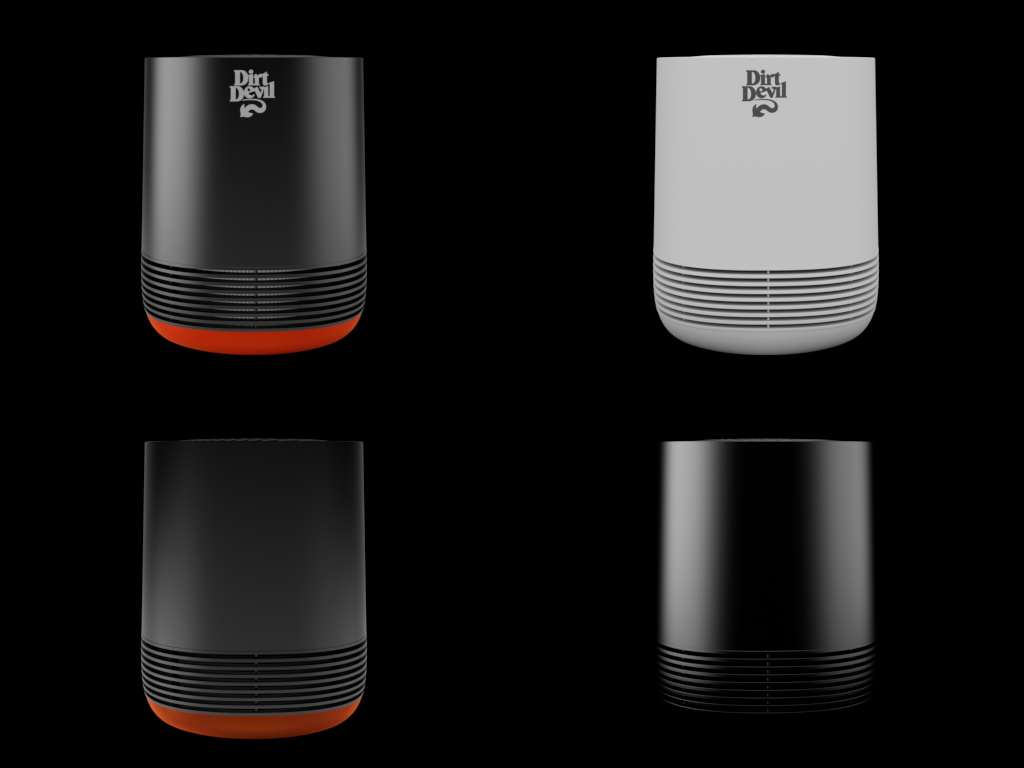
Multi-Pass Rendering
The scene is rendered with multi-pass EXR files including Cryptomatte passes. Separate layers for materials, reflections, and shadows give maximum control in compositing.
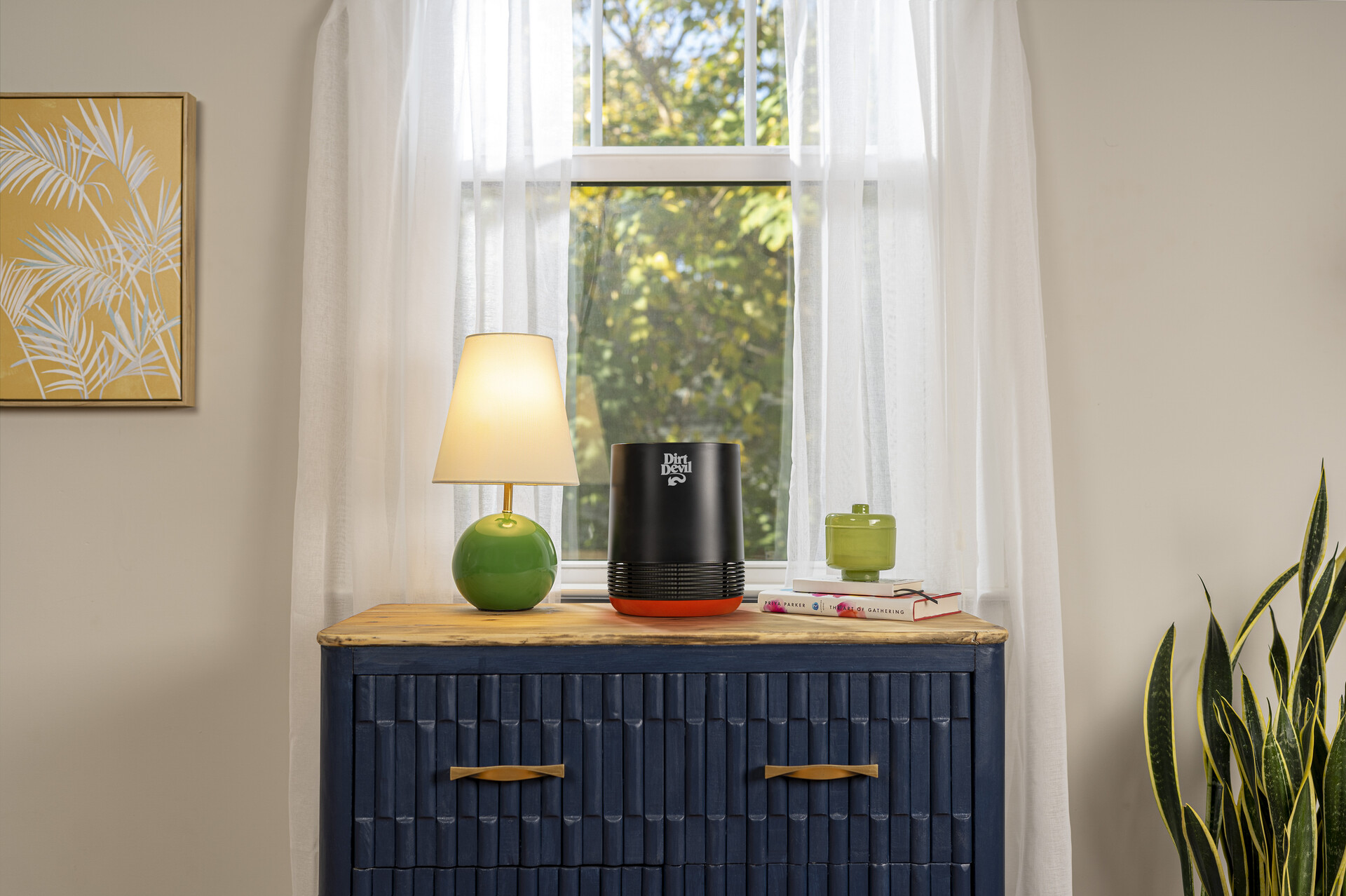
Compositing & Integration
CG renders are composited into the photo plates using Nuke and Photoshop. Grunge maps and subtle imperfections ground the rendered product into the real-world scene.
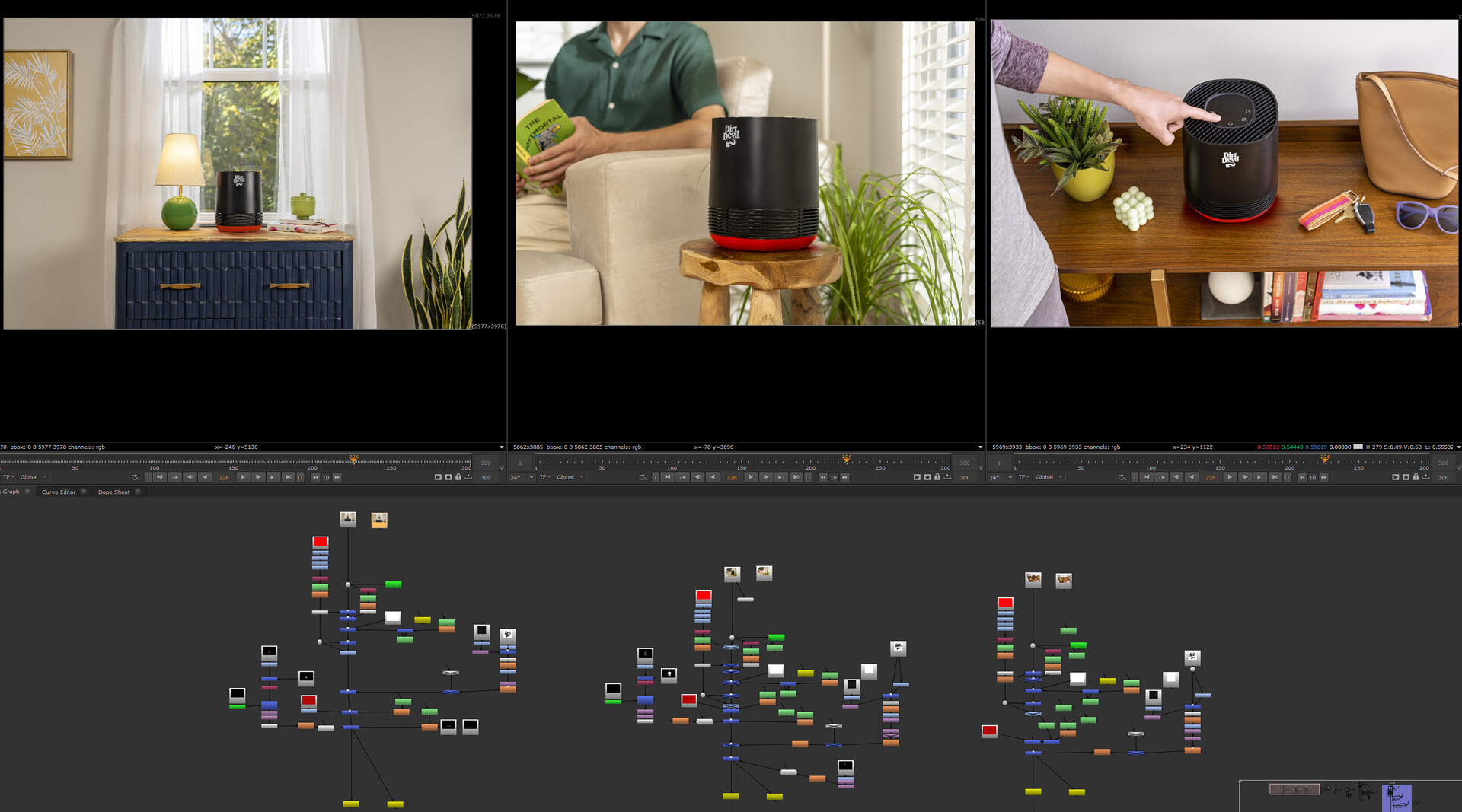
Final Grading & Delivery
Color grading and cleanup produce the final marketing image. Layered PSD master files support future branding updates, cropping adjustments, and format exports for any destination.
Lifestyle rendering bridges the gap between product photography and CG by placing photorealistic product renders into real-world environments. This approach bypasses the cost and scheduling constraints of traditional photo shoots while delivering imagery that meets packaging deadlines and marketing timelines when physical products aren't yet available.
From Our Portfolio
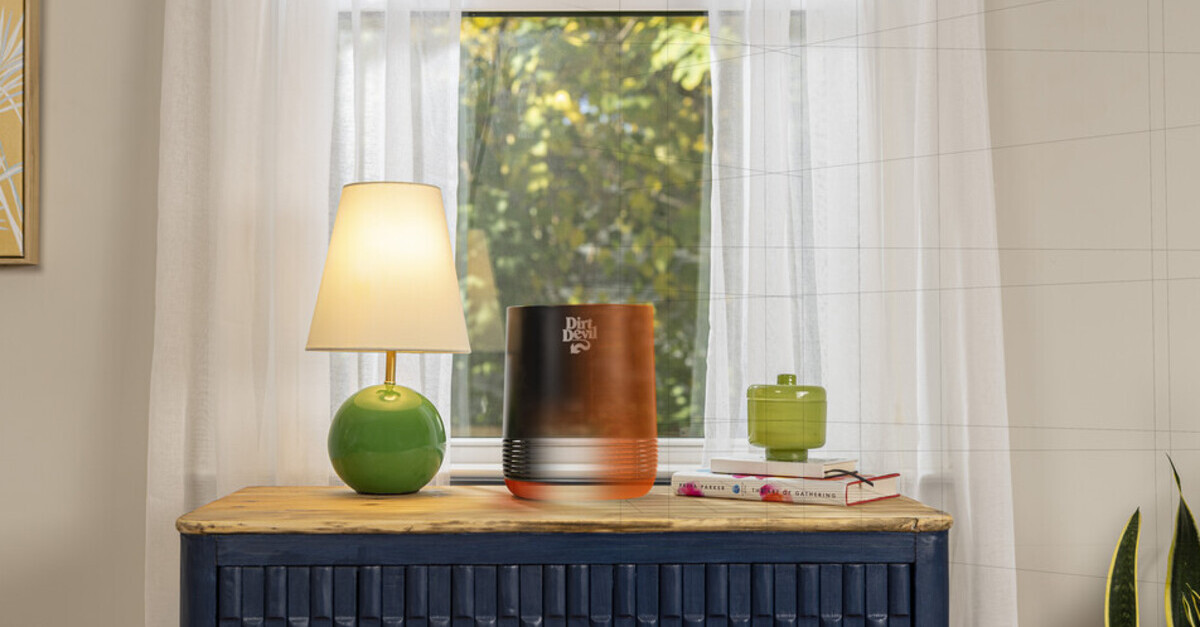
Product Lifestyle Rendering
How CG rendering and compositing replaces on-set limitations to deliver flexible, photorealistic lifestyle imagery for web, print, and packaging.
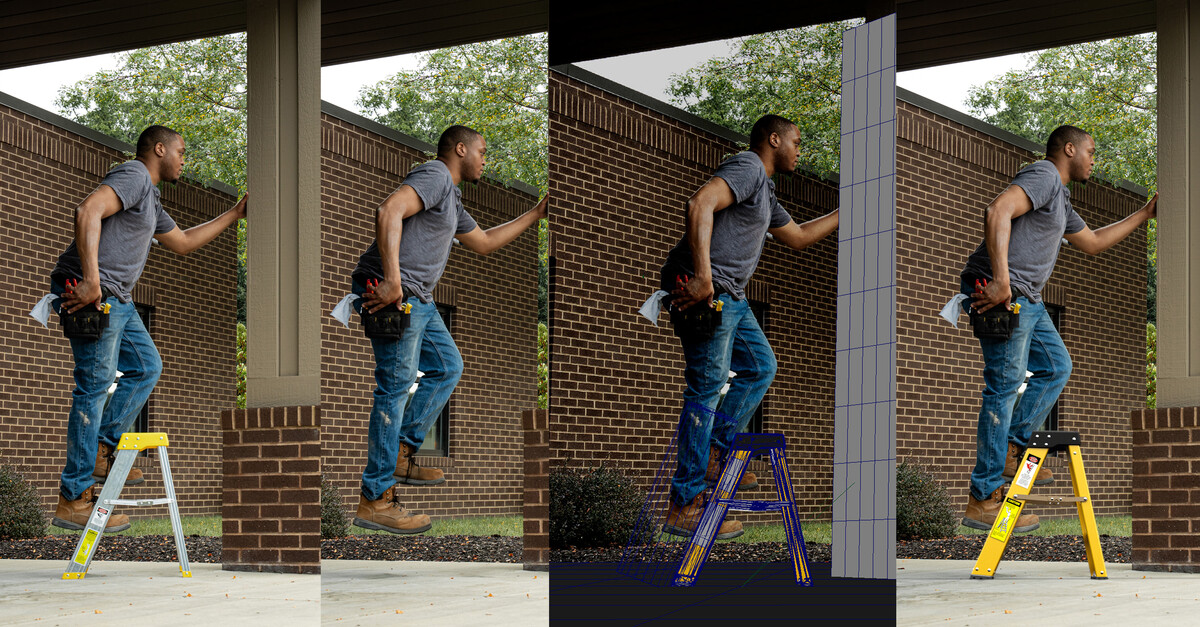
Product Lifestyle Image Updates with CG Rendering
Using CG rendering and compositing to update existing lifestyle photography with accurate product replacements.