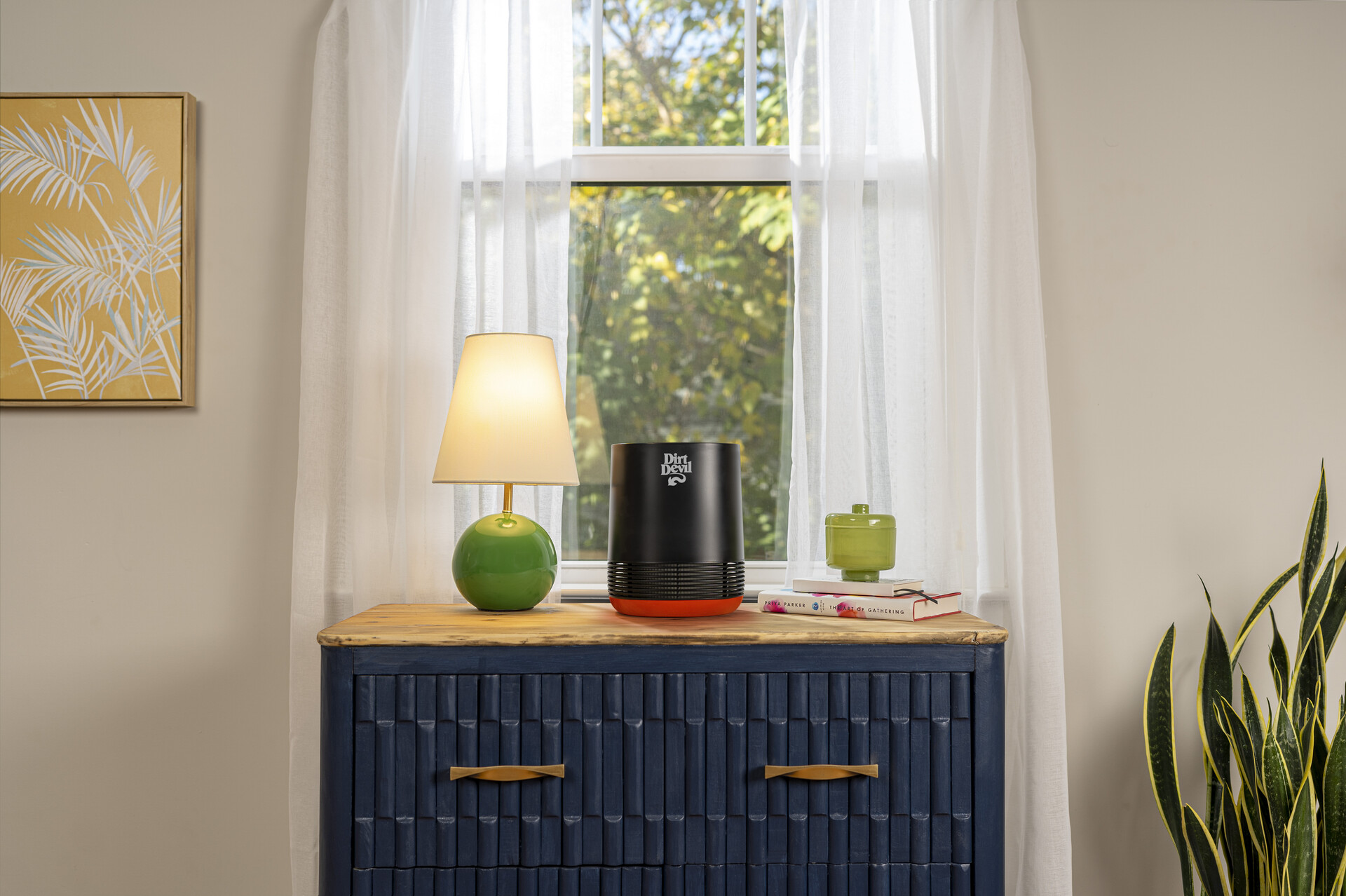
Product Lifestyle Rendering
Lifestyle and Hero Imagery

Using 3D rendering to place products into lifestyle and hero imagery environments offers a level of flexibility that traditional photography alone simply cannot match. The costs and logistical complexity of running multiple on-set lifestyle photo shoots, covering talent, locations, lighting setups, and physical product samples, add up quickly, especially when those physical products are still in prototype or pre-production stages. In most cases, packaging artwork and marketing imagery needs are closely tied to manufacturing production schedules, which means 3D printed materials and early-stage prototypes are often the only physical assets available when the photo shoot window opens.
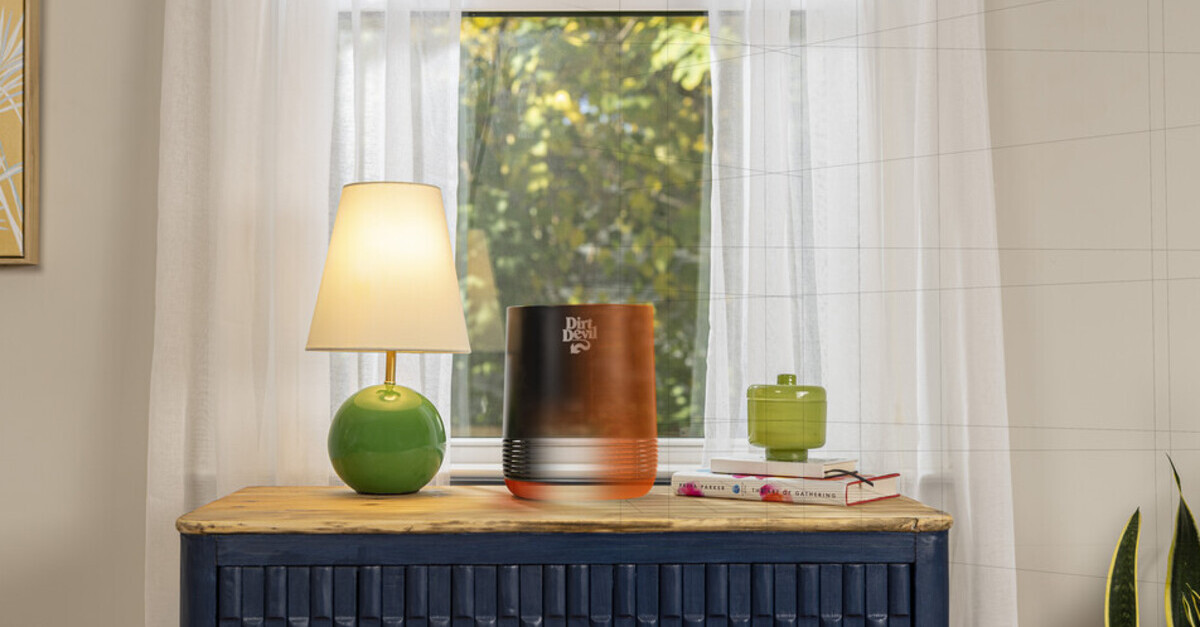
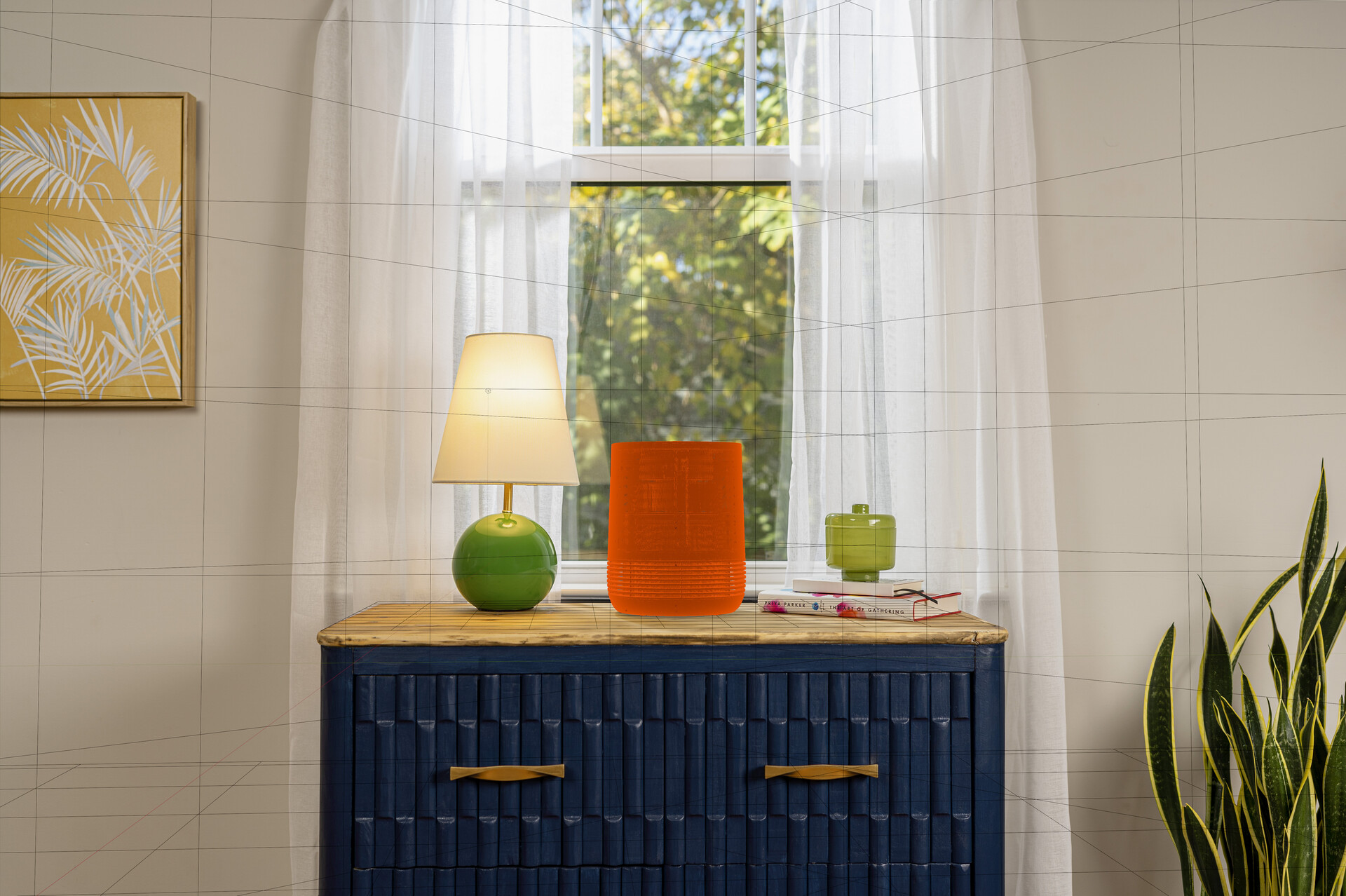
During the planning phase of a lifestyle photo shoot, the team evaluates how far along the prototype is and how accurately it can stand in for the final product on set. This prior planning allows for deliberate use of stand-in items on set, knowing they will be digitally replaced in post, while the set photographer captures clean plate images along with HDRI data, on-set survey reference images, and location stills. Color charts and grey cards are used throughout the shoot to establish accurate color reference. These images and plates serve as lighting references and provide the data needed for texture projection, grounding the rendered imagery convincingly into the real-world scene.
The rendering style for this type of work can be adjusted as the project requires. CG rendering is capable of producing extremely clean, perfect-looking product surfaces. That same capability can work against the final image if pushed too far, making the result read as obviously synthetic rather than photographic. This is addressed through the use of grunge maps, subtle surface variation shaders, and compositing techniques that introduce small but important imperfections and micro-detail to better integrate the CG product into the photographic plate. Client preference and branding guidelines always take priority in these decisions, and the marketing team retains final say on how clean or textured the finished product image appears.
Clean Plate

3D Lineup and Projection for Rendering
Composite and Final Render
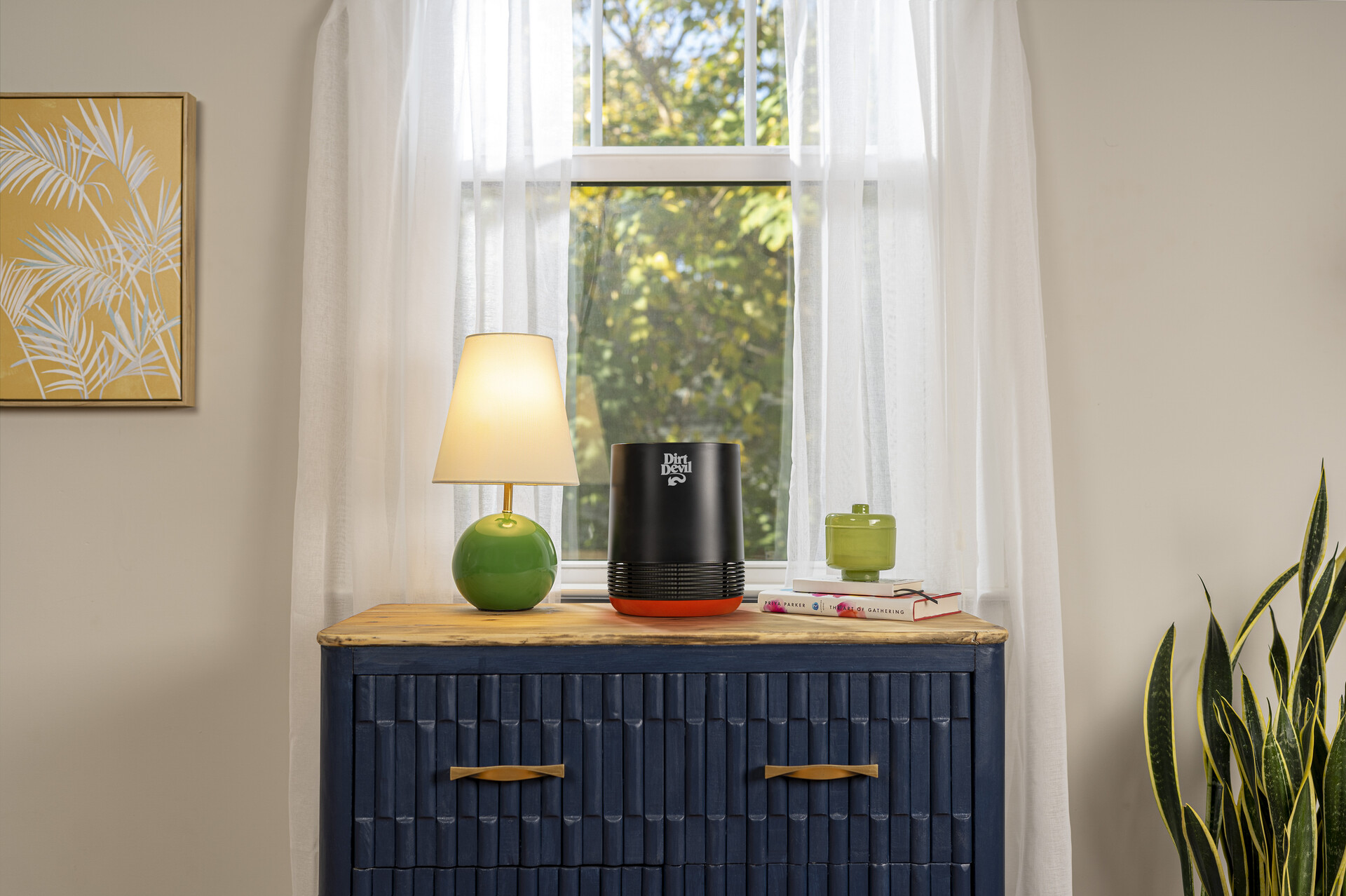
The composited CG renders are prepared for delivery with full color grading and any additional cleanup work required for seamless integration into the photography. The resulting images serve all digital asset needs: website hero imagery, e-commerce product shots, print collateral, and packaging. Saving master files at the highest possible resolution with flexible cropping options built in ensures the asset library remains useful across all channels and remains adaptable through future product or branding updates.
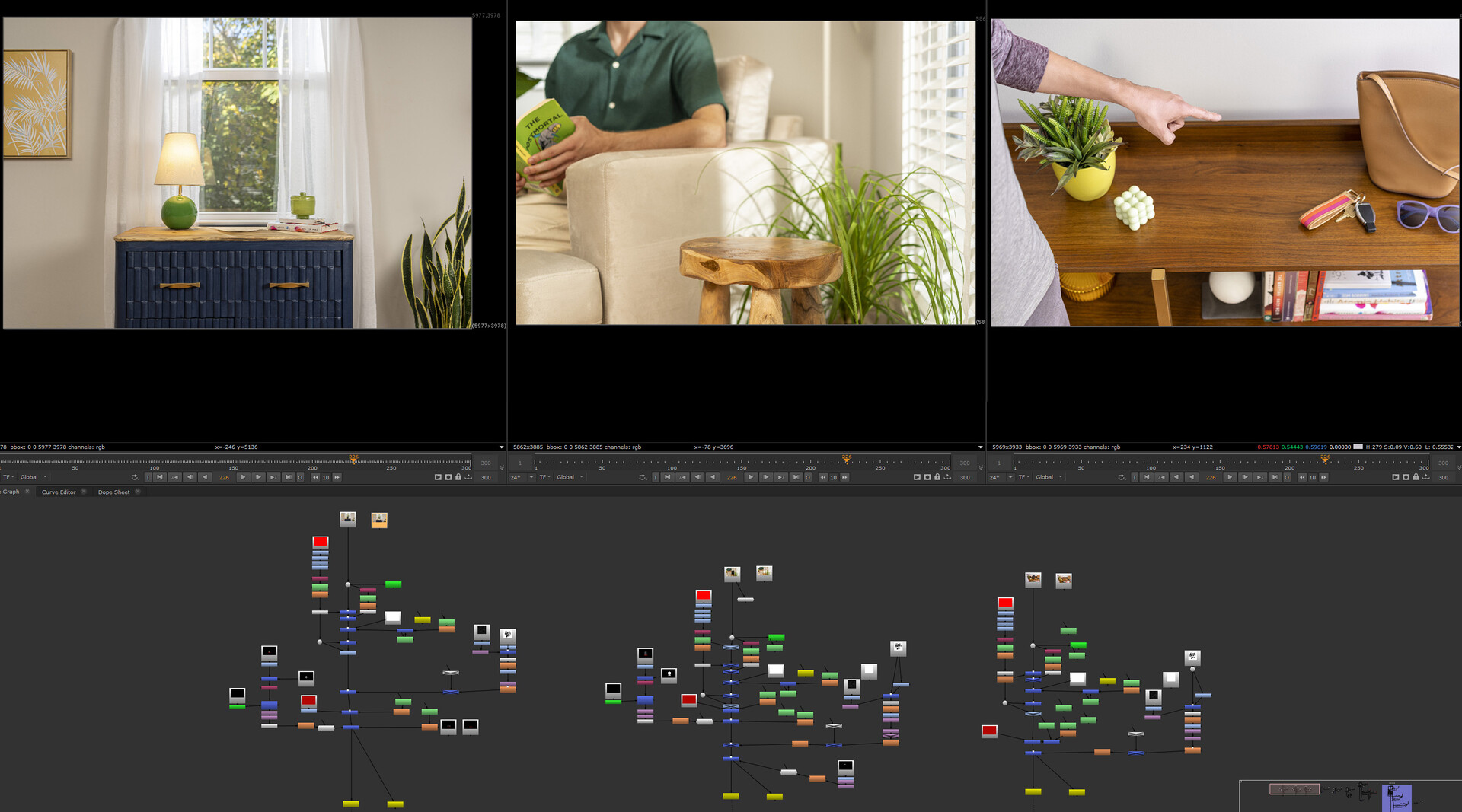
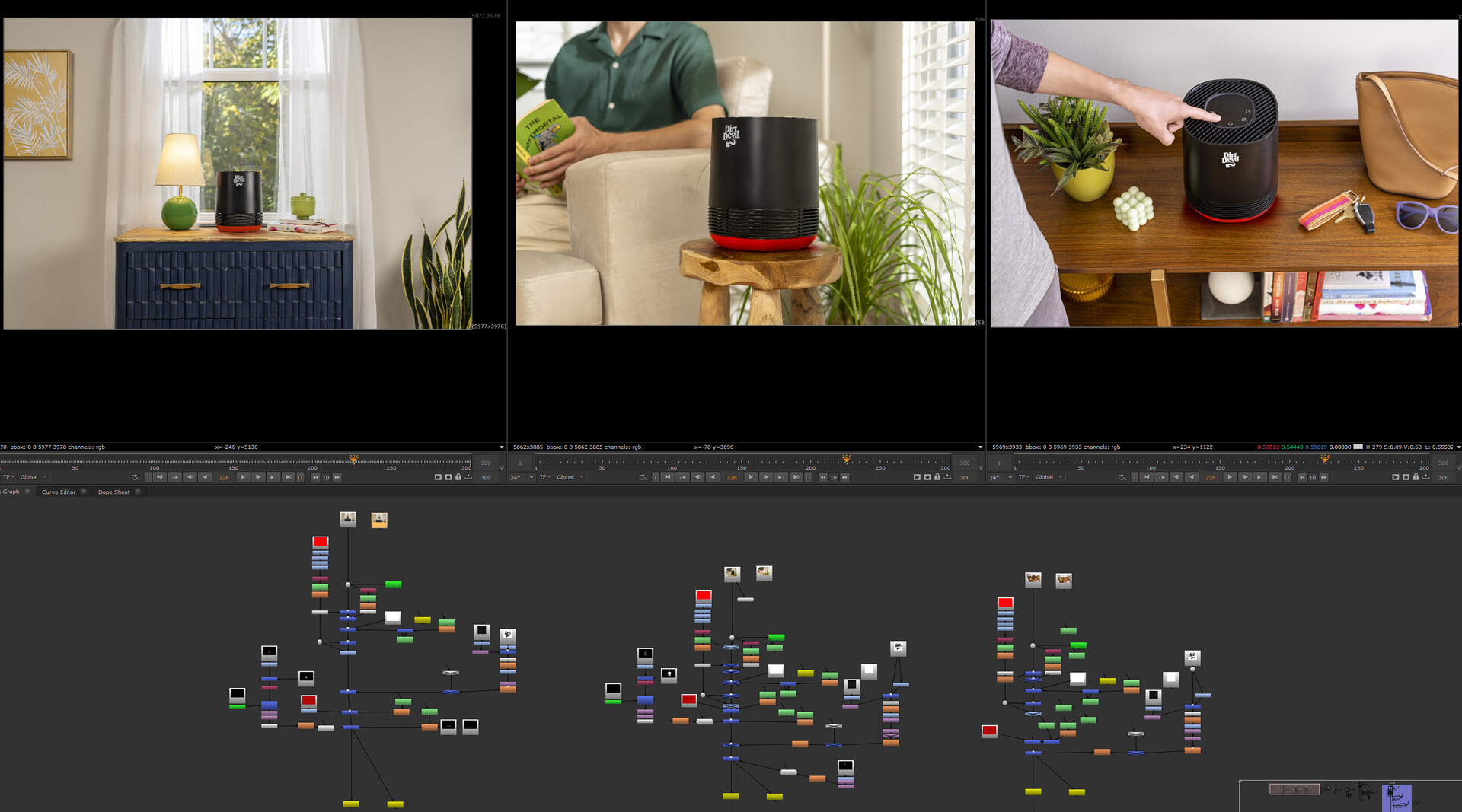
Photoshop and Nuke are used together to achieve the best possible compositing results. Multi-pass EXR files from the CG renders are composited into the photographic plates in Nuke, then passed into Photoshop for final color grading, adjustments, and the addition of layered branded elements and logos. This layered structure gives the team full flexibility for any future changes or branding updates without starting the composite from scratch.
Maintaining a master layered PSD file is essential for returning to the assets later with new needs. This format also makes it straightforward to export TIF, JPG, PNG, and other formats as required for the various output destinations these assets serve.