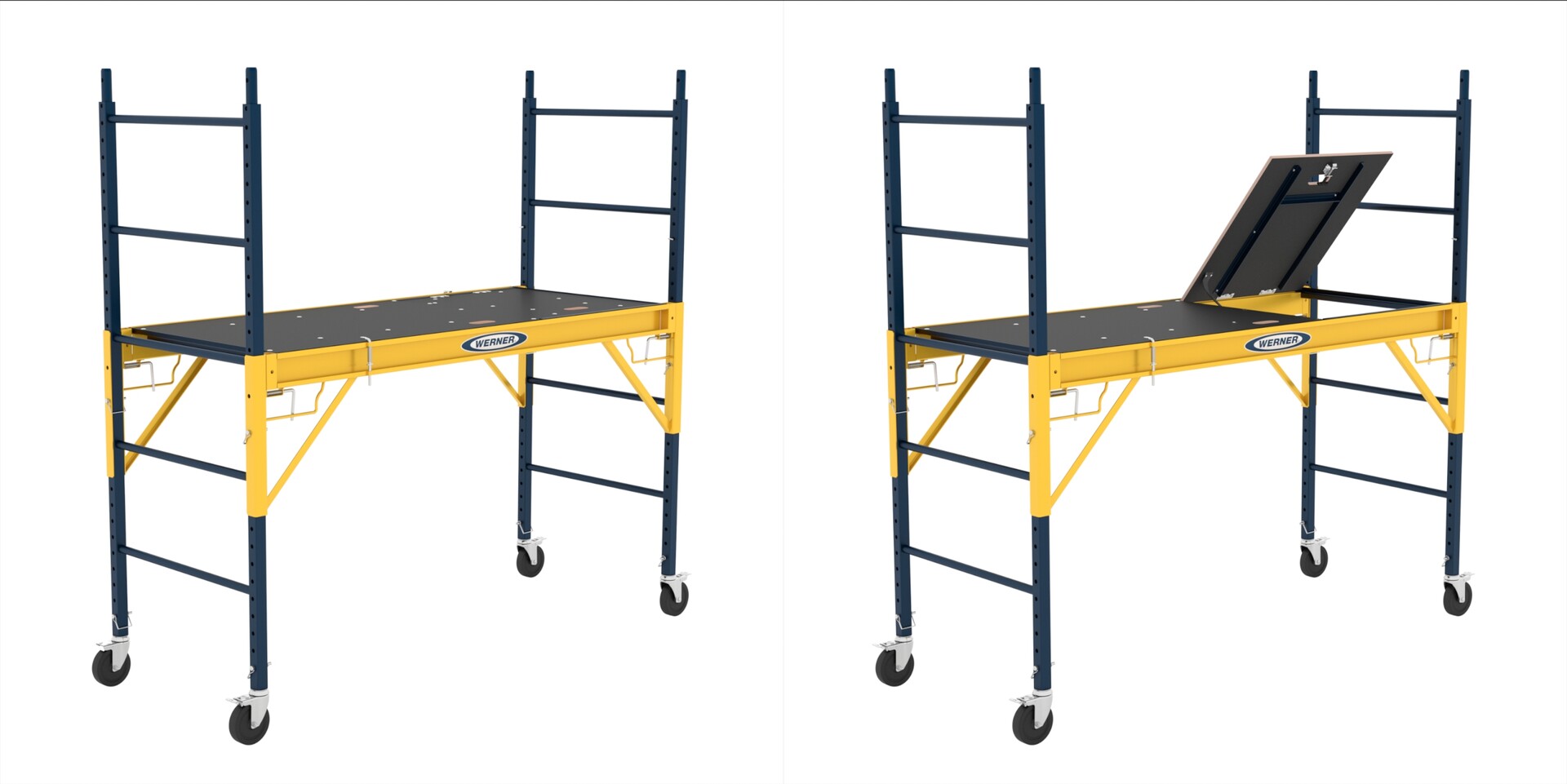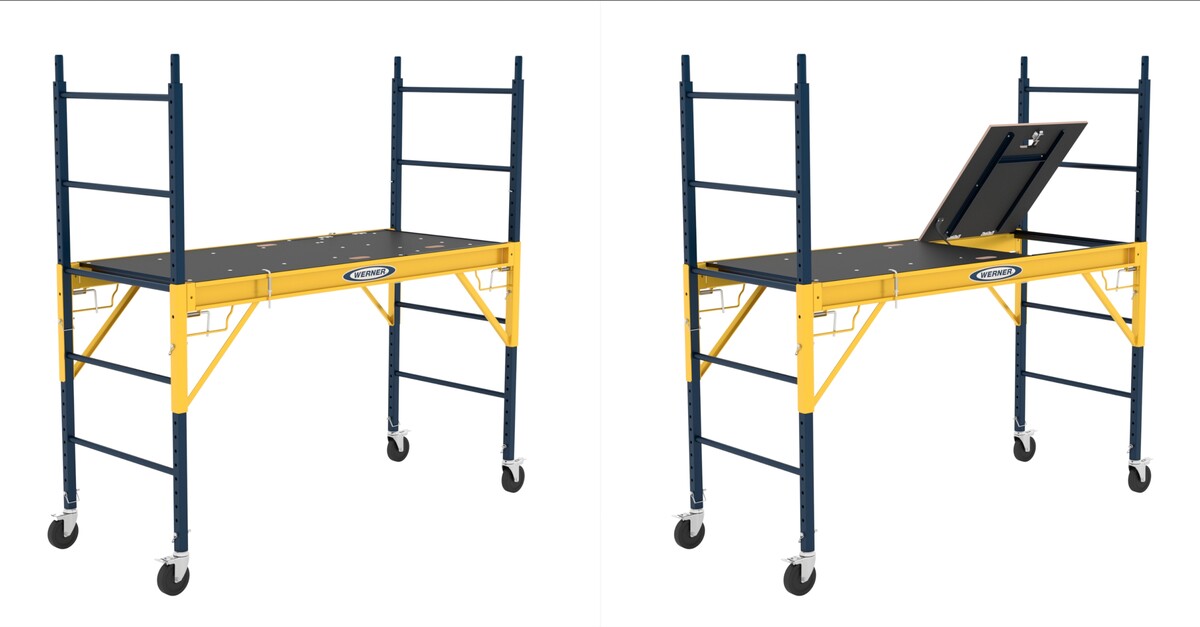
Articulated Rigging of Products for Technical Animation
Creating a Rig for Product Animation and Articulation
Receiving CAD files in a base or closed format is always an interesting exercise in reverse-engineering how the mechanisms are supposed to work and articulate. With prototypes especially, there is a real learning curve involved in understanding the design intent from the geometry alone. With production-ready products and machines, however, there is usually reference material available, including technical documentation, video clips, or physical samples, that shows how the assembly moves and functions under real conditions.
Basic rigging covers the majority of animations where parts operate as strict hierarchies, with parent objects driving the motion of their children in a predictable chain. For more complex mechanisms, advanced rigging techniques and constraints are brought in to drive parts that work in tandem, are triggered by each other, or rely on specific mechanical relationships within the assembly. Pivot point placement is critical in these setups. Getting the rotation and translation axes positioned correctly is what separates a convincing articulation from one that immediately reads as broken or artificial. The real power of technical animation is the ability to showcase kinetic movement in a clean, controlled environment, letting the mechanism communicate its function without any visual noise or distraction.
The linking of elements in this example included a spring that flexes and compresses as the ladder assembly extends and retracts. This setup used a combination of bone constraints along with deformation controller elements to properly expand and contract the spring geometry in sync with the rest of the rig throughout the animation range.
The renders for this type of animation work tend to be stylized, though all visual options remain available, from clean line art and technical outline renders to stylized illustration and full photo-realistic output. The final look is determined by the intended use of the asset and the client's brand direction.
Rigging and constraints in 3D are an effective and scalable solution for visualizing products and mechanisms. Whether the goal is to demonstrate product usage for an end user, clarify assembly sequences for technical documentation, or highlight specific functional features for a marketing campaign, the animated rig delivers clarity that static renders alone cannot achieve.